I need a baseline
Gather utility bills, fuel records and relevant operating data. Establish a reporting boundary and identify missing information.
Request an assessment →
Whether you have only utility bills or a project already in mind, begin with a defined assessment and a practical next decision.
Gather utility bills, fuel records and relevant operating data. Establish a reporting boundary and identify missing information.
Request an assessment →Review energy-intensive processes and compare suitable interventions using transparent cost and savings assumptions.
Explore opportunities →Bring a proposal, quotation or feasibility question. Structure the technical and commercial information needed for evaluation.
Prepare the project case →Industry, site locations, operating hours, production needs and your main priorities.
Recent electricity and fuel records, key equipment information and any project quotations. Share sensitive documents only through an agreed channel.
Deliverables and fees are agreed in a proposal; savings and funding are not guaranteed.
Data needs, boundaries, priorities and responsibilities.
Potential improvements requiring further technical and commercial evaluation.
Further measurements, supplier inputs and project work needed before commitment.
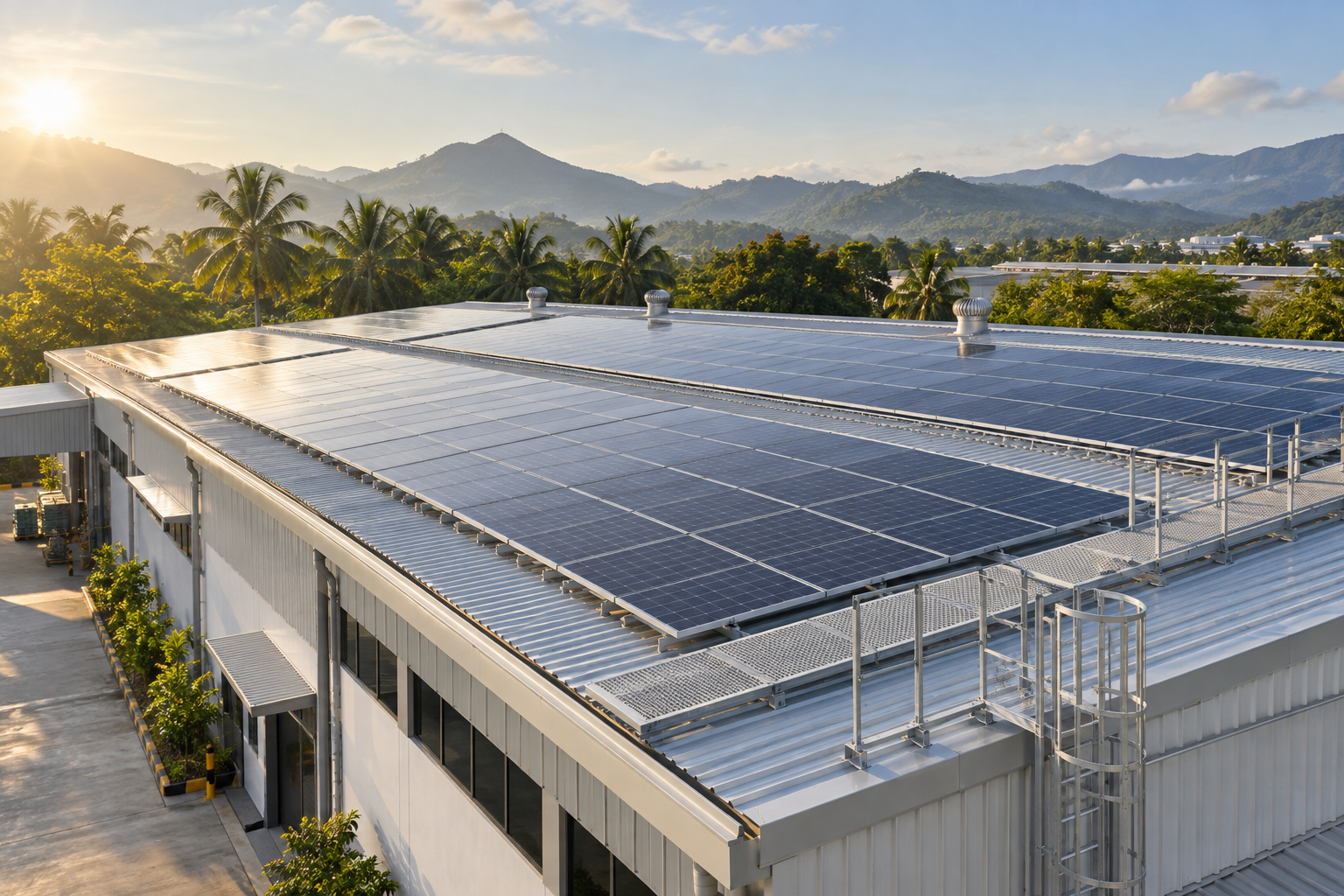
A practical starting point may be an operating change, an efficiency upgrade or a larger investment that needs further evaluation.
Discuss your next step
Help the people collecting data and making decisions understand carbon measurement and reporting. Explore the Academy and its course catalogue to find training relevant to your team.
Training is an optional support for your transition. Course completion does not establish net-zero status or independent verifier approval.
From a customer request to a lower energy bill: start with the business problem, then choose the right assessment and action.
Organise emissions information and supporting records for buyer questionnaires and tenders.
Understand how →Check whether CBAM or a customer-specific product data request affects your goods.
Understand how →Use consumption records to identify waste and evaluate improvements.
Understand how →Connect technical proposals with costs, expected savings and evidence for funding discussions.
Understand how →Understand which requirements apply and close data gaps before the reporting deadline.
Understand how →Track reductions against a baseline and explain changes with evidence.
Understand how →Tell us what you want to improve: energy costs, carbon reporting or a green project. We will help identify a practical starting point.